


Racing Bulls’ Special Livery for the Japanese Grand Prix
Racing Bulls’ special livery for the Japanese Grand Prix has captured the attention of motorsport enthusiasts worldwide. This striking design exemplifies how teams leverage their visual identity to generate excitement and celebrate cultural heritage. With this unique livery, Racing Bulls demonstrates more than just aesthetic creativity; it reflects their innovative spirit and deep respect for tradition, blending modern racing with Japanese artistry.
As Formula 1 continues to evolve, teams increasingly recognize the power of visual storytelling. Racing Bulls’ latest livery encapsulates this approach, seamlessly integrating colors, symbolism, and design elements that resonate with fans and supporters. The special design, unveiled at the Suzuka circuit, is not only a visual spectacle but also an embodiment of cultural fusion, capturing the essence of both speed and sophistication.
The Inspiration Behind Racing Bulls’ Japanese Grand Prix Livery
The inspiration for Racing Bulls’ distinctive livery is deeply rooted in Japanese culture, specifically traditional calligraphy - shodo. This art form emphasizes fluidity, grace, and precision, qualities that mirror the dynamism of Formula 1 racing. Designed in collaboration with renowned Japanese calligrapher Bisen Aoyagi, the livery fuses the energy of the iconic Red Bull Spring Edition can with the elegance of Japanese brush strokes.
The color palette centers around vibrant red and pristine white, reflecting both the iconic Red Bull branding and the purity associated with traditional Japanese aesthetics. The red signifies determination and passion, vital attributes for racing success, while the white symbolizes purity and respect - a nod to the meticulous nature of Japanese craftsmanship. This combination crafts a visual language that celebrates both innovation and cultural heritage.
Design Elements and Visual Impact
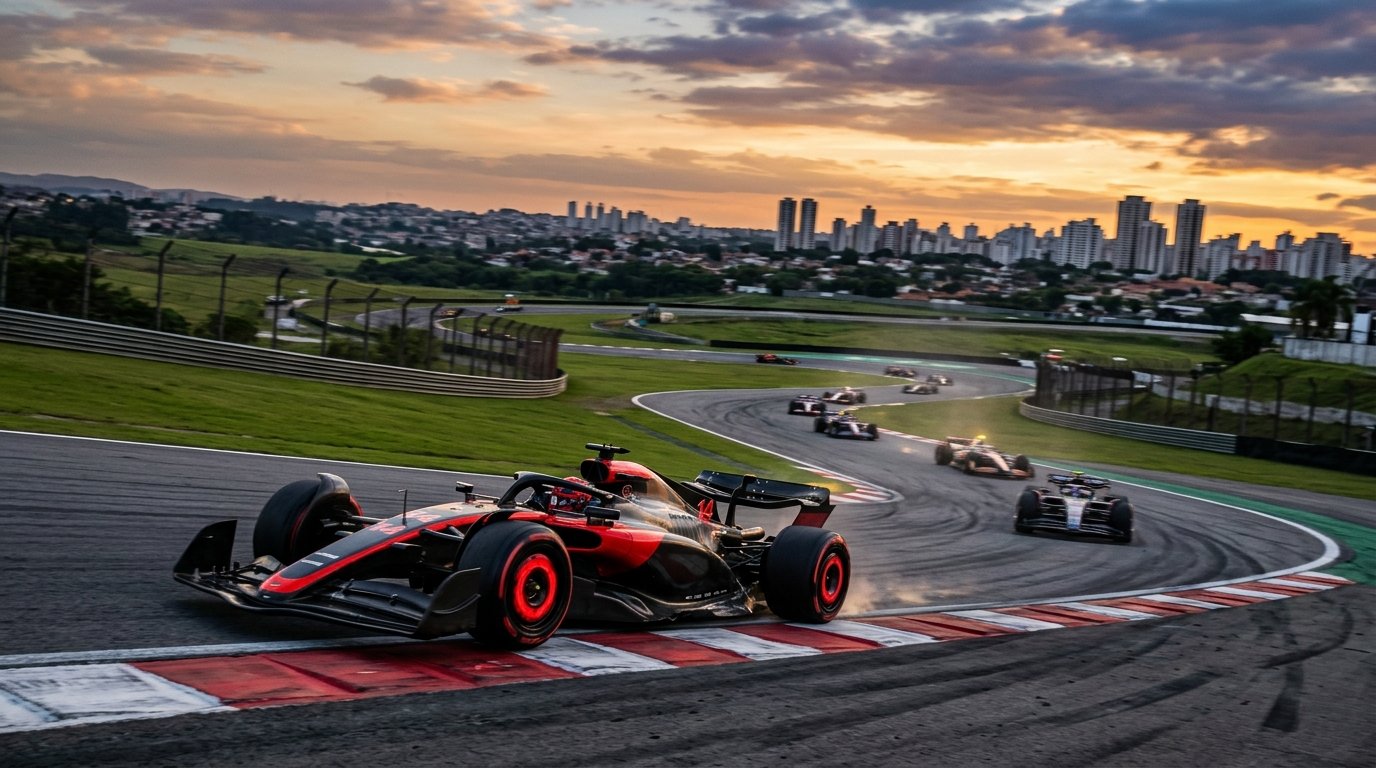
Every detail of Racing Bulls’ special livery was meticulously crafted to ensure a captivating visual experience. The striking red and white scheme spans across the VCARB 03 cars driven by Liam Lawson and Arvid Lindblad, transforming their appearance into a moving canvas of artistic expression. The design’s fluid brush stroke patterns evoke a sense of motion, emphasizing the speed and agility inherent in Formula 1 racing.
The collaboration with a Japanese calligrapher brought a unique authenticity to the project. The calligraphic elements are subtly integrated into the livery, adding a layer of depth and complexity. These designs are not merely decorative; they tell a story of harmony between old and new, tradition and innovation. Additionally, the color scheme is reflected on the driver suits and team kits, creating a cohesive visual identity that unites the team’s brand with cultural symbolism.
The impact of this livery extends beyond its appearance. It serves as a visual rallying point for fans, fostering a sense of pride and connection to the event. The striking imagery captures the essence of Suzuka’s racing heritage while highlighting Racing Bulls’ commitment to celebrating cultural diversity within the sport.
Strategic Value and Fan Engagement
Unveiling a special livery like this is a calculated move to boost fan engagement and brand visibility. It creates buzz within the motorsport community and enhances the team's spectacle value. Such designs often become focal points on social media, energizing fans and attracting new audiences who are drawn to the fusion of art and racing.
Furthermore, the creative approach to livery design is a testament to how teams are differentiating themselves in a competitive environment. Racing Bulls’ choice to incorporate traditional Japanese art into their branding demonstrates a forward-thinking strategy - embracing cultural storytelling to forge a deeper emotional connection with fans. It also reflects a broader trend within F1, where teams are increasingly leveraging unique aesthetics to enrich the sporting experience.
This special livery personalizes the racing experience, turning cars into moving art pieces that transcend mere performance. Fans are now not just spectators but participants in a cultural celebration, making the Japanese Grand Prix a more memorable and immersive event.
Conclusion
Racing Bulls’ special livery for the Japanese Grand Prix exemplifies how the intersection of culture, art, and high-performance racing can produce a visually stunning and meaningful spectacle. The thoughtful integration of Japanese calligraphy and the bold use of color elevate the team's visual identity, celebrating tradition while embracing innovation. This approach not only enhances the aesthetic appeal of their cars but also deepens the emotional connection with fans, turning the Suzuka race into a cultural showcase as much as a sporting competition. Ultimately, this livery reflects the evolving landscape of Formula 1, where creative expression and cultural storytelling are becoming integral to the sport’s identity, promising even more exciting and visually captivating moments in future races.


About Us
Kozmozcyber bridges the stories and lifestyle surrounding motorsport, offering insights and community engagement beyond the race - aligning fans with the history and culture of racing.
Technical & Championship Context: Why This Storyline Matters for the 2026 Racing Cycle
Looking at the broader picture surrounding Racing Bulls’ Special Livery for the Japanese Grand Prix, modern championship battles are decided months before the cars or bikes roll onto the starting grid. With sweeping technical regulations reshaping aerodynamics, active drag-reduction systems, sustainable fuel chemistry, and hybrid energy deployment for the 2026 cycle, every engineering announcement, pre-season test run, and driver market move sends ripples across the entire paddock.
Teams can no longer rely on a single wind-tunnel upgrade package to dominate an entire twenty-four-race calendar. Cost-cap restrictions and sliding-scale aerodynamic testing allowances force technical directors to balance immediate weekend qualifying pace against long-term chassis architecture. When a driver changes teams, adapts to a new braking stability profile, or logs high-mileage simulation stints, the feedback loop between the cockpit and the factory simulator determines which squad unlocks the sweet spot of tire thermal management.
Key Championship & Fan Reference Breakdown
The summary table below highlights the core sporting, technical, and fan-culture takeaways connected to Racing Bulls’ Special Livery for the Japanese Grand Prix:
| Focus Area | On-Track & Paddock Impact | What Race Fans Should Watch Next |
|---|---|---|
| Technical Development | Chassis balance, aero efficiency, and power-unit energy recovery correlation | Long-run stint pace during Friday practice and official pre-season testing sessions |
| Driver & Team Dynamics | Race engineer communication, setup direction, and qualifying head-to-head margins | How quickly new driver-engineer pairings extract peak grip on street and high-speed circuits |
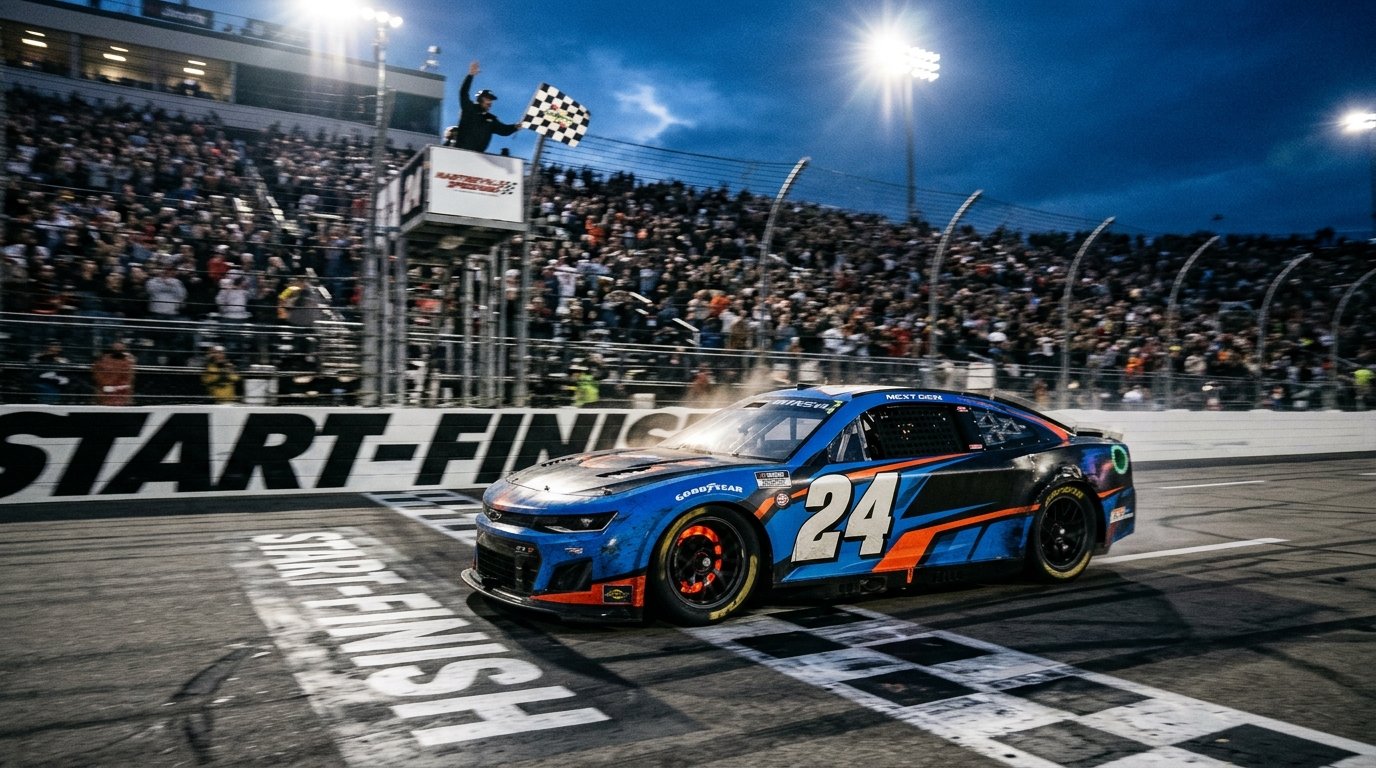
| Livery & Paddock Style | Special-edition GP colorways, sponsor integration, and driver number identity | Matching custom fan-inspired tribute polos, quarter-zip jerseys, and outerwear for race week |
Frequently Asked Questions
How do 2026 technical regulations change on-track overtaking and race strategy?
The 2026 rules emphasize lighter, more agile chassis dimensions, active aerodynamics or refined aero limits, and a larger electrical power split, rewarding drivers who manage battery harvesting and tire temperatures across changing track conditions.
Where can fans find custom racing apparel inspired by current Grand Prix and endurance liveries?
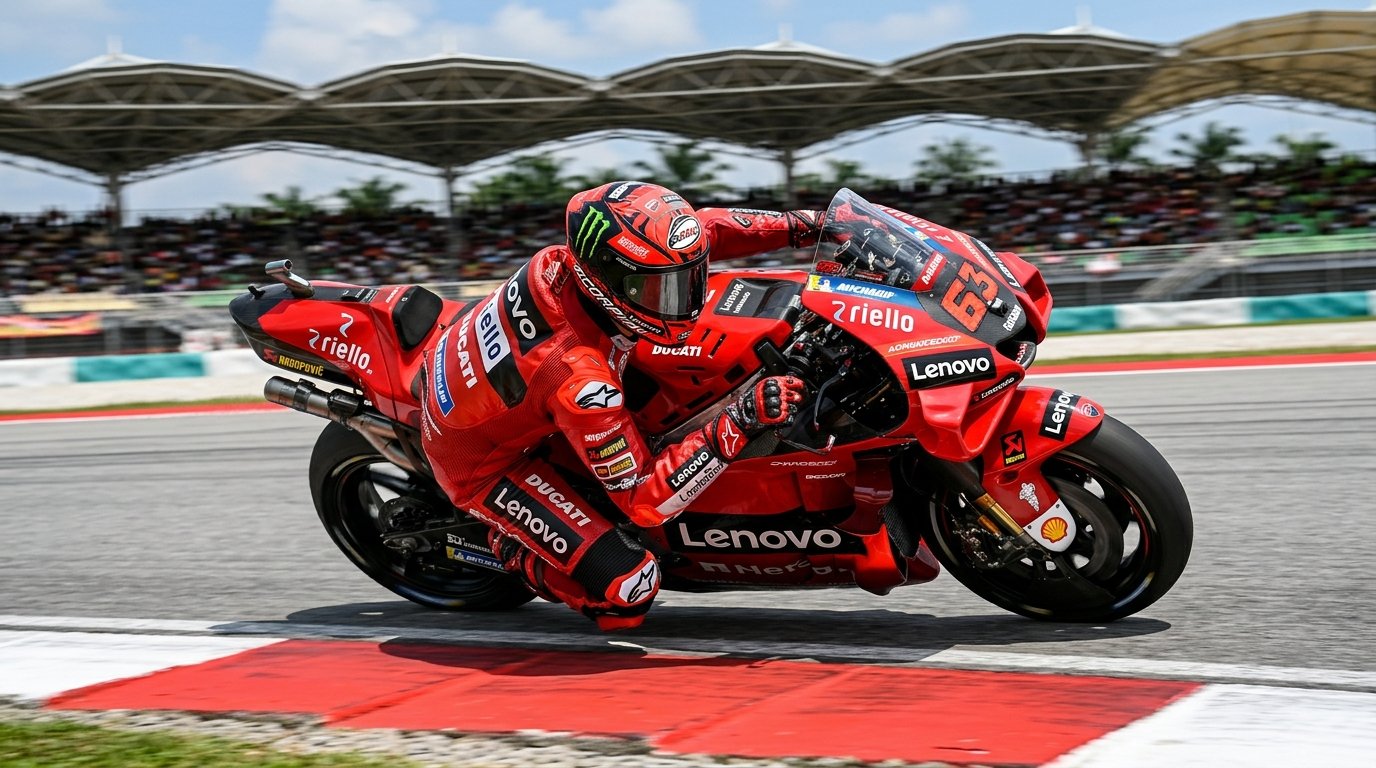
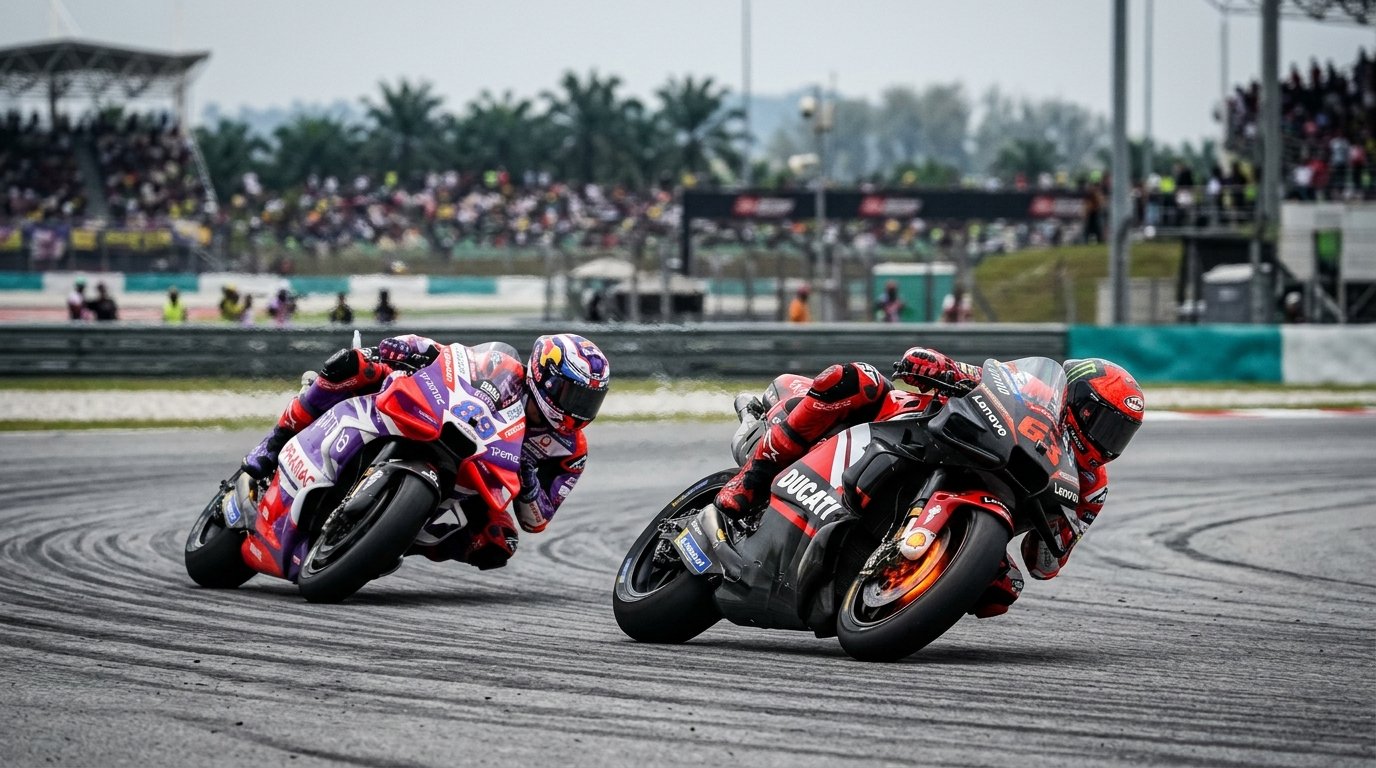
You can browse our Grand Prix Era, 24 Hours of Le Mans, MotoGP, and American Stock Racing collections on Kozmozcyber.store, with optional custom name and number printing.
Are the motorsport apparel items on Kozmozcyber official team merchandise?
No. All team, driver, and circuit names mentioned in our news coverage are used strictly for editorial commentary. Garments sold on Kozmozcyber.store are independent, custom fan-inspired tribute designs.
SHARE
0 comment
Be the first to comment