


Isack Hadjar Crash - Red Bull RB22 Shocks Fans and Teammates
The recent Isack Hadjar Crash - Red Bull RB22 unleashes a wave of scrutiny and intrigue across motorsport circles. This incident not only raises questions about driver safety and team strategies but also highlights the intense pressures racers face while pushing limits in high-stakes environments. Understanding how this crash occurred and its implications for Red Bull Racing can offer valuable insights into racing dynamics and future safety measures.
In this article, we explore the details of the Isack Hadjar Crash - Red Bull RB22, how drivers and teams can learn from such incidents, and the critical safety protocols that are vital for ongoing motorsport competitions. You will learn how to interpret similar incidents, compare this crash with past events, and gain expert advice on navigating the risks inherent to racing - especially when driving the formidable Red Bull RB22.
The Context of the Isack Hadjar Crash - Red Bull RB22 and Its Impact on Motorsport

Understanding the broader landscape of this crash involves exploring its immediate cause, repercussions on racing teams, and the perceptions it fosters among fans and drivers alike. The Isack Hadjar Crash - Red Bull RB22 exemplifies how even seasoned drivers remain vulnerable despite advanced safety features.
The crash occurred during a high-speed sector race where every second counts. This actual event drew media attention and prompted an overhaul of safety reviews in Formula racing. Such incidents serve as pivotal learning points, urging teams to innovate and drivers to heighten their awareness during competition. Moreover, the reputation of Red Bull Racing and its flagship model, the RB22, is closely intertwined with how safely their drivers can push the boundaries without jeopardizing their lives.
This incident underscores the danger prevalent in high-performance motorsport and the need for continual safety evolution. Comparing this incident with previous crashes - like the famous 2014 Lewis Hamilton crash or Max Verstappen’s 2021 accident - reveals patterns in driver safety evolution and areas still requiring improvement.
The Origins of the Isack Hadjar Crash - Red Bull RB22
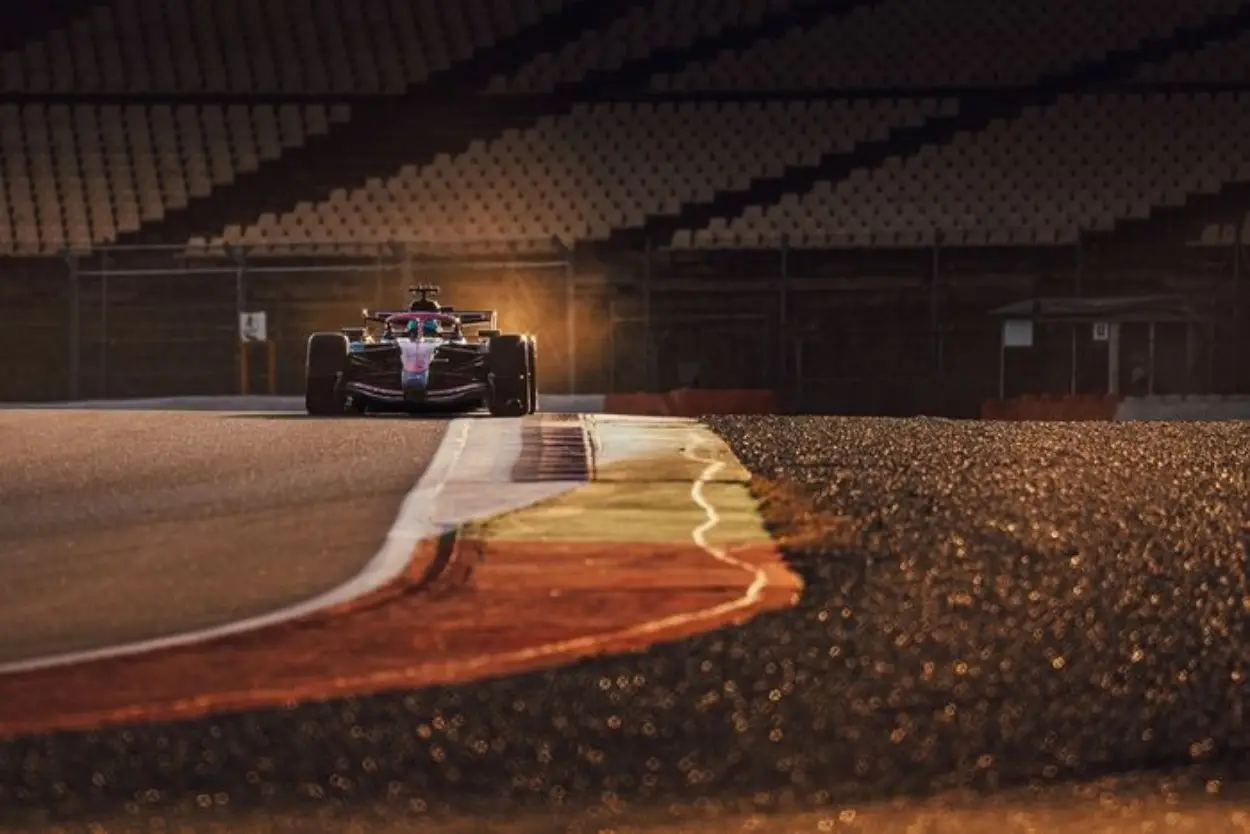
Every crash has a story, and understanding its origin offers significant lessons in racing dynamics and technical vulnerabilities. The Isack Hadjar Crash - Red Bull RB22 stemmed from a combination of technical failure and driver response under extreme pressure.
First, the crash was precipitated by a mechanical glitch that affected the steering system of Hadjar's Red Bull RB22, compromising his ability to control the car. Mechanical failures in Formula 1, while rare thanks to rigorous maintenance, remind us of how even minor issues can escalate quickly at high velocities. This specific failure was compounded by a sudden change in weather conditions, which reduced visibility and contributed to the driver’s misjudgment.
Secondly, Hadjar’s immediate reaction was both instinctive and instructive. His decision to attempt a correction rather than an outright brake prevented a potentially more severe impact. This highlights the importance of quick reflexes and driver training in critical moments. Comparing this event to other crashes highlights how critical it is for teams to conduct thorough pre-race checks and continuously adapt safety protocols to evolving race scenarios.
Lessons Learned from the Red Bull RB22 Incident
In motorsport, lessons from crashes are invaluable for improving future safety standards. The Isack Hadjar Crash - Red Bull RB22 offers several important takeaways for drivers, teams, and safety regulators.
First, the importance of regular technical inspections cannot be overstated. Mechanical integrity plays a vital role in ensuring drivers remain safe, especially in rapid racing environments where even a small oversight can have severe consequences. Teams like Red Bull have already implemented more stringent checks post-incident, but continuous improvement remains vital.
Second, driver training focusing on emergency response is essential. Hadjar’s quick reflexes and composed response post-crash may have minimized injuries and damage. Investing in simulation-based training to prepare drivers for sudden technical failures or adverse conditions can enhance on-track safety.
Finally, the incident underscores the necessity for evolving safety equipment, including advanced crash barriers, better helmet and suit technology, and improved car telemetry. Future regulations may incorporate lessons from Isack Hadjar Crash - Red Bull RB22, aiming to prevent similar incidents and protect drivers in all circumstances. Comparing current safety protocols with past regulations helps illustrate how racing safety is an ongoing evolution.
Improving Safety Protocols Using Lessons From the Isack Hadjar Crash - Red Bull RB22
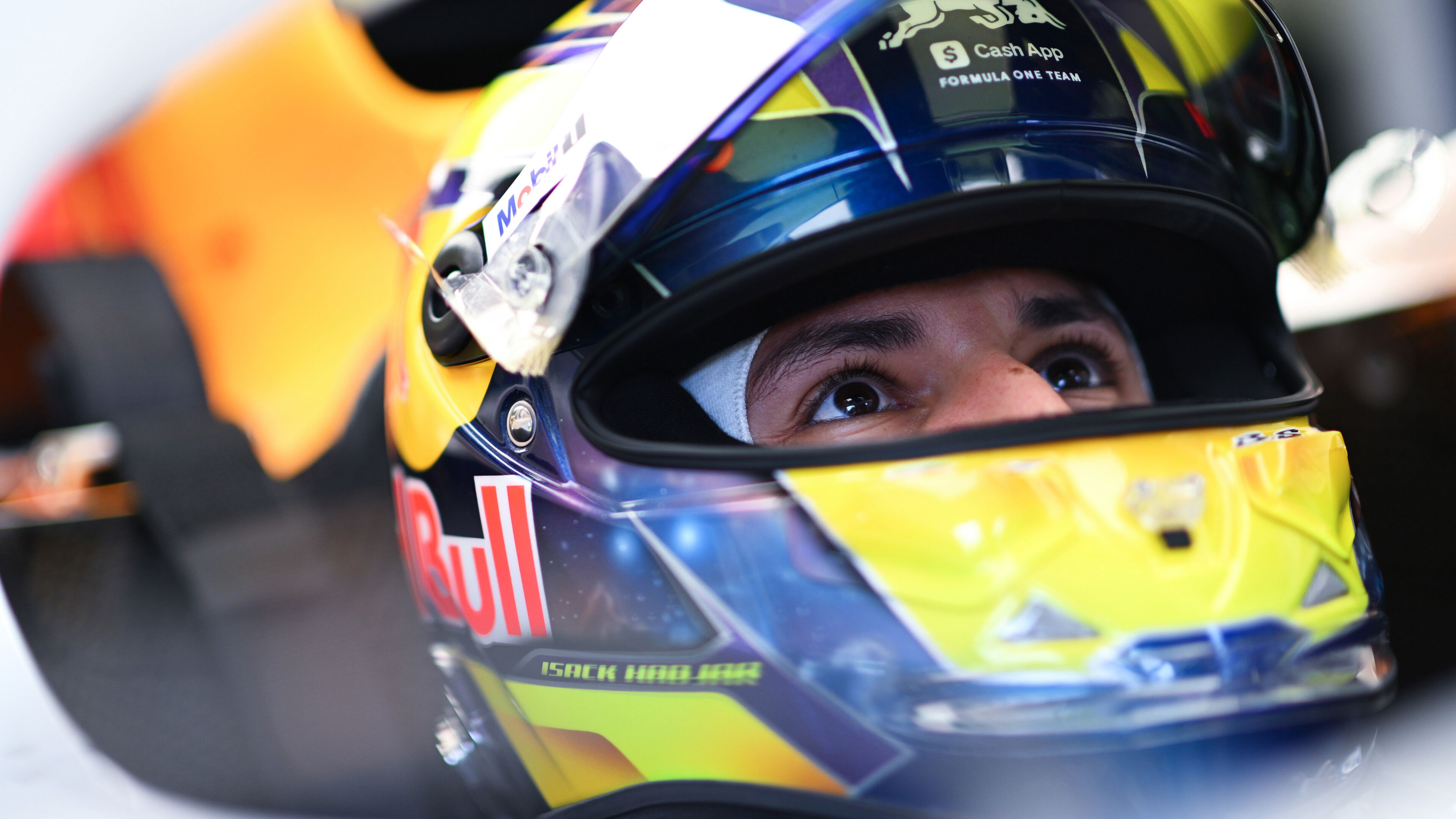
Preventive measures and safety innovations are crucial in mitigating future incidents like the Isack Hadjar Crash - Red Bull RB22. This section discusses how teams and regulators can learn from this crash to better safeguard drivers, especially in elite competition.
First, advancing car safety technology is a necessity. Red Bull and other teams are investing heavily in systems such as enhanced crash sensors, real-time driver health monitoring, and automated corrective responses. These systems can alert drivers immediately to critical issues, potentially preventing accidents or reducing their severity.
Second, implementing more rigorous pre-race inspections and dynamic safety checks during races is essential. Real-time data analytics can detect anomalies early, allowing teams to respond proactively. Regular drills and updates on safety procedures foster a culture of preparedness within teams, reducing the likelihood of accidents turning catastrophic.
Third, fostering a safety-first mindset in drivers is paramount. This includes simulation-based training, mental resilience programs, and strict adherence to safety protocols. Emphasizing a safety culture ensures that even during moments of extreme pressure, drivers prioritize their own safety and that of others.
While the Isack Hadjar Crash - Red Bull RB22 is a stark reminder of racing's inherent risks, it also serves as a catalyst for continuous safety enhancements that could one day prevent similar accidents altogether.
Conclusion
The Isack Hadjar Crash - Red Bull RB22 exemplifies the unpredictable and perilous nature of high-speed motorsport, despite significant technological and safety advancements. Learning from such incidents helps teams refine their safety protocols, improve car technology, and deepen driver training. While racing will always involve a degree of risk, ongoing improvements and a safety-first philosophy can greatly reduce the severity of accidents and ensure that drivers like Hadjar can continue pushing the boundaries with minimized danger. As motorsport evolves, so too does our collective commitment to safety, innovation, and resilience on the track.
🏁 Shop The Collection


About Us
Kozmozcyber bridges the stories and lifestyle surrounding motorsport, offering insights and community engagement beyond the race - aligning fans with the history and culture of racing.
SHARE


0 comment
Be the first to comment