


Reliving Ford's F1 Rollercoaster-A Journey Through Speed & Innovation
Reliving Ford's F1 rollercoaster offers a vivid glimpse into the exhilarating and often tumultuous history of one of the most iconic automotive brands in motorsport. From powering numerous championship-winning drivers and teams to experiencing its dramatic exit and subsequent return, Ford's involvement in Formula 1 has been anything but dull. As we dive into this compelling narrative, it becomes clear that Ford's legacy in F1 is not just measured by statistics but also by the indelible mark it has left on racing innovation, team dynamics, and industry evolution.
This journey through Ford's F1 saga does more than recount historical milestones; it reflects the complex interplay of engineering brilliance, strategic missteps, and the relentless pursuit of greatness. The story is about more than engines and races - it's about resilience, reinvention, and the enduring passion that drives a brand to continuously push boundaries on and off the track.
The Genesis of Ford's F1 Ambitions - From Humble Beginnings to Heroic Heights
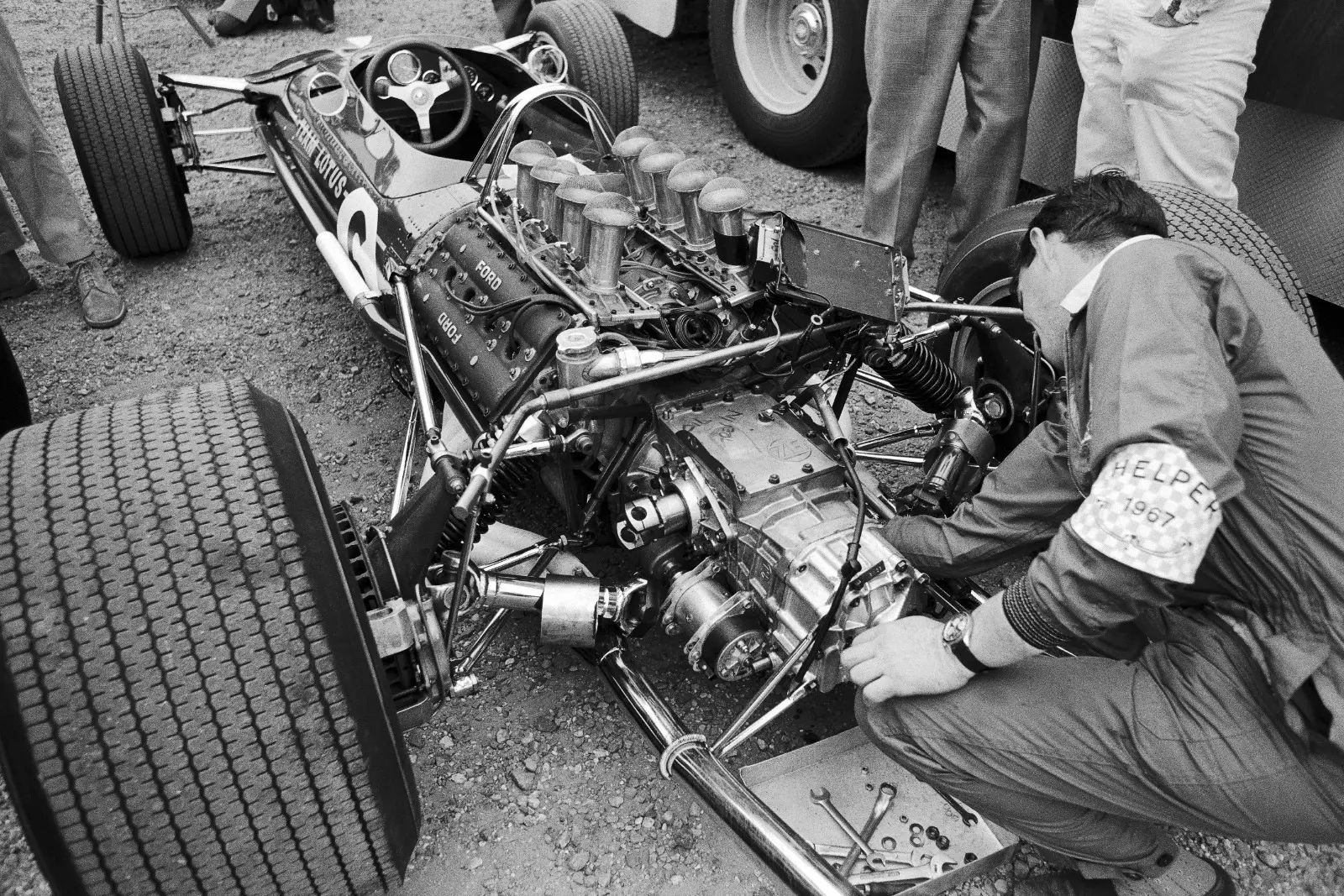
Ford’s initial flirtation with Formula 1 was launched amid the tumult of the 1960s, a period marked by rapid technological progression and fierce competition. Yet, it was more than just a desire to win; Ford saw F1 as a platform for technological innovation that could ripple into its commercial vehicles and racing lore. The company's first recognized appearance, the Dutch Grand Prix of 1967, saw Jim Clark's breathtaking driveway from eighth to victory - a testament to the transformative power of the Ford-Cosworth DFV engine, a marvel of engineering symbiosis designed to maximize efficiency and performance.
But beneath this shining debut lay a deeper story of experimentation and evolution. Before that seminal race, Ford had already made a fleeting appearance through McLaren’s early efforts with the 4.2-liter Ford V8, marking a nascent but promising step towards full-fledged F1 involvement. These initial attempts underscored the importance of partnerships, innovation, and the relentless pursuit of reliability - hallmarks that would define Ford’s racing endeavors for decades.
In the 1970s, Ford’s influence grew as it powered a majority of F1 teams, fostering technological advances across multiple domains such as tire science and aerodynamics. During this era, the company’s engineering efforts contributed significantly to racing performance, setting the stage for future dominance. The legendary synergy between Ford and Lotus exemplifies this, culminating in the iconic Lotus 49 chassis integrating the groundbreaking DFV engine - a design that would forever alter F1 engineering paradigms. The era exemplified Ford’s commitment to pushing technological boundaries, which still resonates today.
The Highs and Lows - Triumphs, Losses, and the Price of Innovation
Ford’s triumphs in Formula 1, while celebrated, came with notable setbacks that tested the brand's resilience. Graham Hill’s 1968 world championship victory in the Ford-powered Lotus 49 underscored Ford's engineering prowess. At the same time, the company's expanding involvement began attracting more teams and drivers, fueling competition and driving innovation. The DFV engine, with its load-bearing chassis integration, was instrumental in delivering reliable performance across multiple teams, making it a cornerstone of the era’s racing technology.
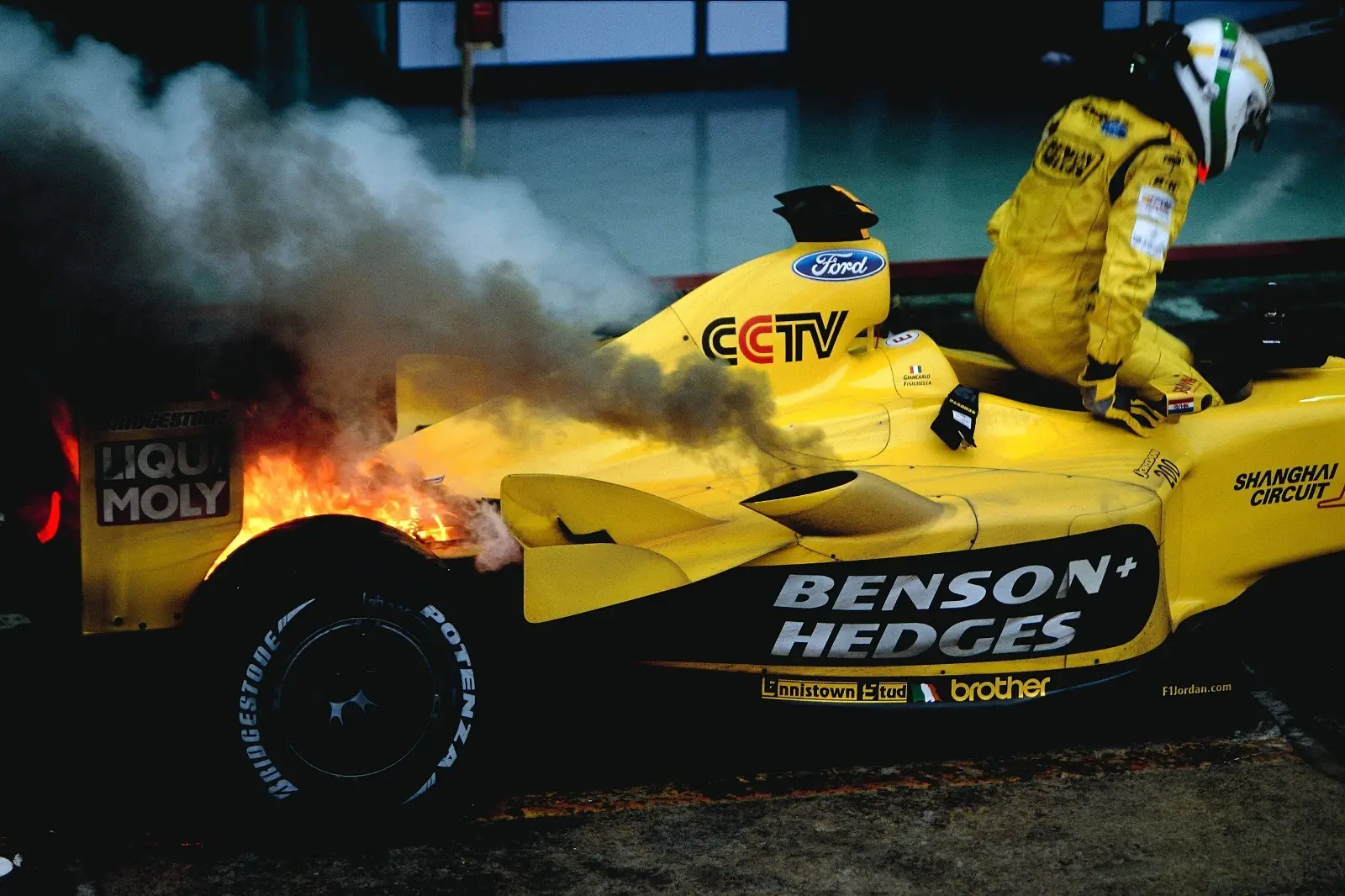
However, the financial stakes and technological challenges soon revealed the darker side of F1 endeavors. Ford’s investment in the sport during the 1970s was relentless, but with that came mounting costs and challenges in maintaining competitiveness. The subsequent sale of Jaguar Racing to Red Bull for just £1 symbolized a sobering reality: racing success often demanded disproportionate resources, and the path to glory was paved with adversity. Despite these setbacks, Ford’s influence persisted beyond the track, shaping innovations that rolled into its consumer vehicle lineup, demonstrating how motorsport and commercial engineering mutually benefited.
The eventual withdrawal from F1 in the early 2000s was a significant turning point. Yet, in an unexpected twist of fate, Ford’s recent partnership with Red Bull Racing signals a renaissance, echoing its previous successes but with a modern edge. This alliance hints at a potential new chapter where past lessons inform future triumphs, emphasizing that reliving Ford’s F1 rollercoaster is about understanding the cyclical nature of racing - where lows precede highs - and resilience is the ultimate driver.
Beyond the Engines - Ford’s Enduring Impact on Motorsport Culture and Innovation
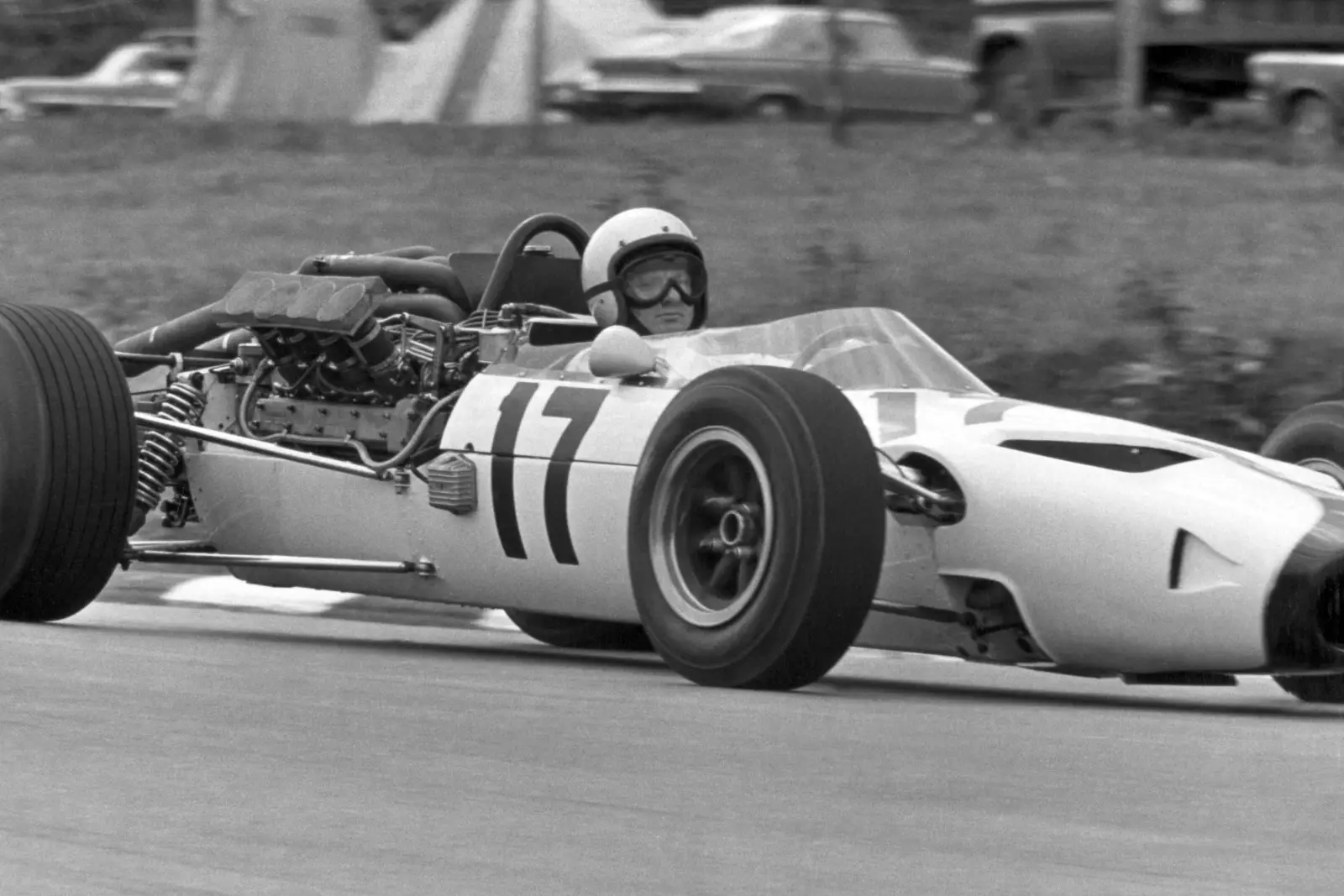
While the engines and victories form a core part of Ford’s F1 narrative, the broader influence extends into the realm of innovation and industry standards. Ford’s pioneering efforts in tyre science and aerodynamics during the 1970s significantly influenced the technical direction of motorsport. By integrating the chassis as a load-bearing element, Ford and Cosworth set new engineering benchmarks, inspiring subsequent generations of racing engineers and manufacturers.
Moreover, Ford's motorsport journey is intertwined with pivotal moments that shaped its corporate identity. The company's support for Lotus during challenging regulatory changes demonstrated its willingness to invest in technological leapfrogging, even when immediate financial gains were uncertain. This philosophy - not merely chasing victories but fostering innovation - mirrors the ongoing evolution of its commercial vehicles, where technological advancements serve broader consumer needs.
In recent years, Ford’s return to F1 as an engine supplier to Red Bull signifies a strategic reemergence that merges historical strength with contemporary innovation. The imprint of past engineering philosophies, such as load-bearing chassis design and powertrain reliability, remains evident in modern F1 technology, exemplified by the push towards hybrid systems and sustainable racing solutions. The narrative of reliving Ford's F1 rollercoaster, therefore, is one of continuous innovation driven by a deep-rooted racing heritage that inspires confidence and competitive spirit.
Conclusion
Reliving Ford's F1 rollercoaster reveals a story filled with groundbreaking innovations, dramatic highs and lows, and a resilient pursuit of excellence that spans over six decades. From its early days powering iconic teams and winning championships to its strategic withdrawal and recent reentry, Ford has demonstrated that its legacy in F1 extends beyond the racetrack, influencing automotive technology and industry standards at large. The recent partnership with Red Bull marks a promising new chapter, where the lessons of the past fuel future victories. Ultimately, this narrative underscores that in motorsport, as in life, resilience, innovation, and a passion for excellence are what propel a brand to continue writing its storied legacy.
In crafting this comprehensive perspective on Ford’s F1 history, it’s evident that the journey is far more than engines and races - it's about the relentless human drive for progress, the courage to reinvent, and the enduring passion that keeps the blue oval racing at full throttle.


About Us
Kozmozcyber bridges the stories and lifestyle surrounding motorsport, offering insights and community engagement beyond the race - aligning fans with the history and culture of racing.
SHARE


0 comment
Be the first to comment