


Early Pecking Order and Verstappen’s Concerns from F1 Testing
The phrase “Early pecking order and Verstappen’s concerns” captures a pivotal aspect of the 2026 Formula 1 pre-season testing, a season brimming with anticipation, technical innovations, and shifting competitive dynamics. As teams navigate the winter testing saga, the race for supremacy appears firmly rooted in the familiar top contenders, with Mercedes maintaining its favourite status and Red Bull quietly promising a robust challenge. Verstappen, meanwhile, has voiced concerns that echo through paddock conversations, hinting at the underlying uncertainties that still loom over this early phase of the season. The early assessments often reflect just a fragment of the bigger picture, but they are crucial for understanding how the season may unfold, especially in the context of technical evolutions, strategic developments, and the overarching narrative of team performance.
The significance of the “Early pecking order and Verstappen’s concerns” extends beyond mere lap times; it underscores the evolving competitive landscape where teams are still tuning their cars, adjusting to new regulations, and exploring innovative solutions to gain a marginal advantage. While Mercedes appears confident and dominant in the early days, the positions of Ferrari, McLaren, and even Red Bull suggest a season that could be closer and more unpredictable than in previous years. Verstappen’s apprehensions reflect a veteran driver’s awareness that early testing is often inconclusive; however, his insights contribute to a broader understanding of how teams are preparing for battle once the lights go green in Melbourne and beyond.
The Unfolding Battle for Dominance: Who’s Leading and Who’s Behind?
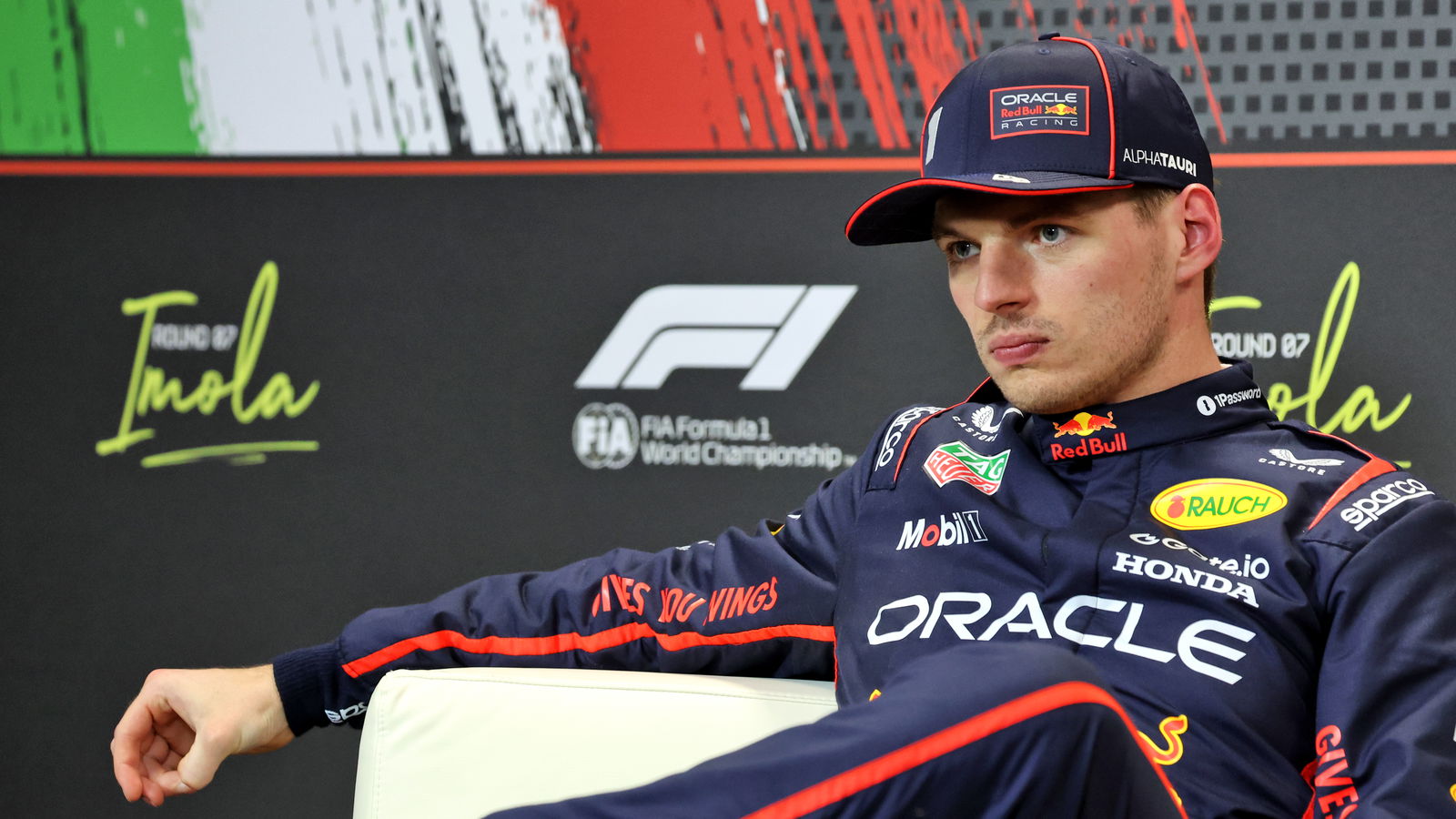
As pre-season testing draws to a close, the battle for the early pecking order is shaping up as a contest of precision engineering, strategic foresight, and psychological resilience. Mercedes has remained at the forefront, bolstered by a season of confidence and strategic patience. Their long runs, which showcased consistent energy deployment, coupled with subtle signs that they hold performance reserves, indicate a formidable package poised for the season opener. The team’s approach, emphasizing reliability and energy management, suggests a calculated strategy to optimize their car’s potential while keeping competitors guessing about their true pace.
Ferrari, meanwhile, has made a promising start, ending the Bahrain tests at the top of the timesheets with some impressive long-run data. Interestingly, Charles Leclerc’s softer tyre choice hints at a willingness to showcase speed, but the broader picture reveals a more nuanced story: Ferrari’s long-run consistency and favourable energy deployment point towards a solid foundation. Such detail is vital in assessing their true competitiveness, especially considering the challenge of translating qualifying pace into race performance. While Ferrari exudes cautious optimism, the logical question remains - can they sustain this momentum against Mercedes’s disciplined approach?
Red Bull’s return, with its refined power unit, also commands attention. Although they might not yet be the outright benchmark - indicated by the fact that some teams like Alpine are working hard to catch up - their reliability and energy management strides suggest they could be serious contenders when the season kicks off. Verstappen’s hesitations and the team's cautious optimism point towards a period of tuning and strategic adjustments, which will be critical in setting realistic expectations for their race pace. Their engineering breakthroughs, combined with the insights gained from early testing, hint that Red Bull might yet surprise some with their adaptability and resilience across varied circuits.
Verstappen’s Concerns and Their Implications for the Season

Max Verstappen’s candid concerns about the early pecking order reflect a cautious realism that seasoned drivers often display. His focus on the nuances of performance - particularly how teams are still refining their setups and managing their energy - offers a glimpse into the behind-the-scenes challenges teams face at this stage. Verstappen is aware that what appears to be a straightforward performance lead may not hold up under racing conditions. The fact that Red Bull’s power unit - while impressive - is not yet nearly the definitive benchmark, underscores the importance of adaptability and strategic development over initial lap times.
His reservations also highlight a broader truth about F1: early testing is an imperfect measure of ultimate season performance. Teams often sandbag, hide their true pace, and explore different configurations to ensure they are well-prepared for the grueling race calendar. Verstappen’s seasoned perspective reminds us that while the early order provides hints, it is merely a snapshot in an ongoing evolution. His insights, along with the observed technological advancements and team strategies, serve as a reminder that this season’s true test will come during the races, where reliability, driver skill, and strategic finesse will determine the final pecking order.
The Broader Technical Landscape and What to Expect
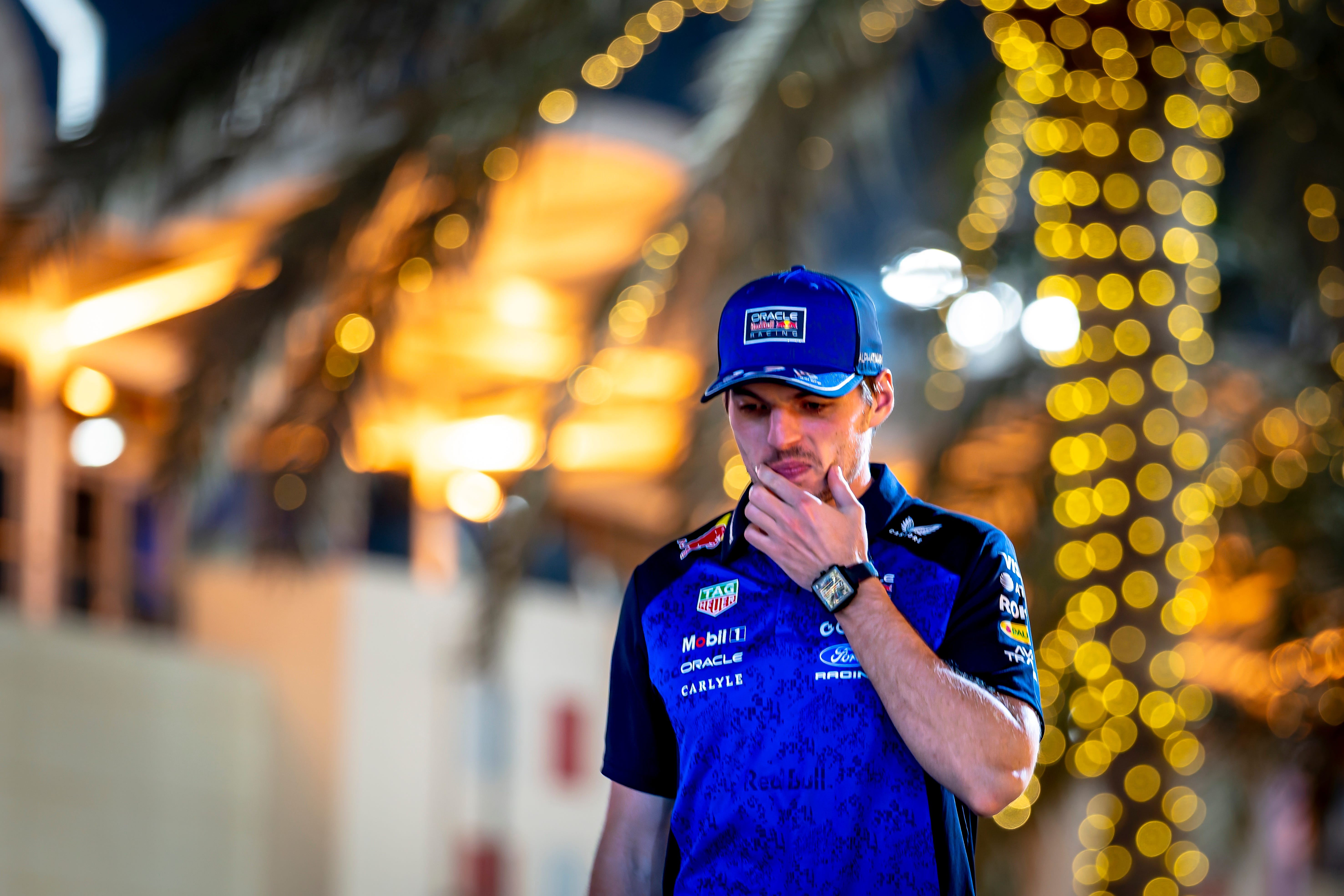
The 2026 season seems set to be as much about technological innovation as it is about talent and strategy. From Mercedes’ emphasis on reliability to Ferrari’s focus on energy efficiency, teams are harnessing new tools to gain a competitive edge. The incorporation of advanced data analytics and simulation tools - such as high-fidelity performance modeling - has become central to development cycles. These tools allow teams to predict and optimize the car’s behavior across a multitude of variables, giving them an advantage in fine-tuning their setups before the season kicks off.
Moreover, the ongoing development in energy management - specifically in hybrid systems - can be seen as the key differentiator. Mercedes, Ferrari, and even Red Bull have indicated that mastering energy deployment over multiple laps will decide race outcomes. The recent tests have shown promising signs of technological maturity, but the true test lies in how teams adapt these systems to the demands of racetracks and race strategies. For example, Ferrari's cautious yet promising pace during the long runs indicates a sophisticated approach to energy management, which could give them an edge in endurance and tactical flexibility over the season.
As the season progresses, it will be fascinating to see how these technological advances - alongside driver skill and team strategy - interact to shape the outcome of battles at each circuit. Teams investing in innovative solutions, like next-generation aerodynamics or dynamic tyre management systems, may ultimately redefine the traditional pecking order. The early signs suggest that the 2026 season will be a period of intense technological racecraft, where the most adaptive and forward-thinking teams will emerge victorious.
Conclusion
The early pecking order and Verstappen’s concerns provide a compelling narrative for the 2026 F1 season, reflecting a landscape filled with promise, uncertainty, and fierce competition. While Mercedes maintains its leadership position and Ferrari shows promise, the subtle dynamics of energy management, technological innovation, and strategic adaptation will define the season’s true winners. Verstappen’s cautious outlook underscores a broader truth - initial testing, though insightful, is only the beginning of what promises to be an exhilarating contest by the time the first race in Melbourne arrives. As teams fine-tune their cars and explore new technological frontiers, the season is poised to unfold as one of the most competitive and unpredictable in recent memory. Fans and analysts alike will be watching closely, knowing that the real battle has only just begun.


About Us
Kozmozcyber bridges the stories and lifestyle surrounding motorsport, offering insights and community engagement beyond the race - aligning fans with the history and culture of racing.
SHARE


0 comment
Be the first to comment